


Introduction
The months of the year are something we use every single day, yet most people rarely stop to think about their history, meaning, and importance. Whether you’re planning a vacation, organizing work schedules, celebrating birthdays, or looking forward to your favorite holiday, the months play a vital role in how we structure our lives. They help us understand time, prepare for seasonal changes, and keep track of important events throughout the year.
Interestingly, the names of the months have fascinating origins that date back thousands of years. Many of them were named after Roman gods, emperors, and numbers from the ancient Roman calendar. Over time, the calendar evolved into the one we use today, known as the Gregorian calendar, which consists of twelve months and 365 days in a regular year.
In this article, we’ll explore the months in detail, learn about their history, understand why each month is unique, and discover how they influence our daily lives. By the end, you’ll have a much deeper appreciation for something we often take for granted.
The Twelve Months of the Year
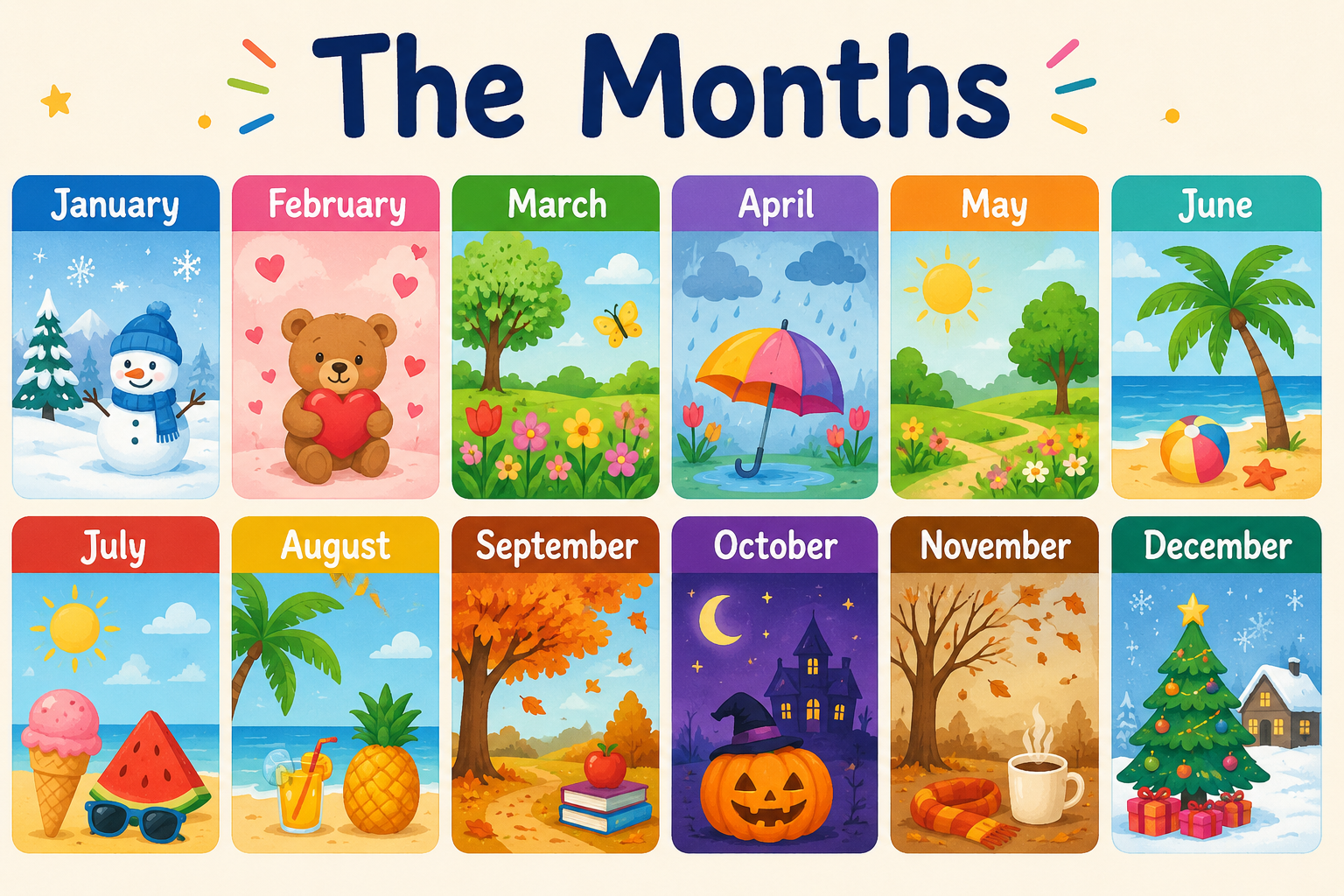
The calendar is divided into twelve months, each with its own number of days and unique characteristics. These months are January, February, March, April, May, June, July, August, September, October, November, and December. Together, they form one complete year and help people around the world organize time consistently.
Each month has a specific length. January, March, May, July, August, October, and December each have 31 days. April, June, September, and November contain 30 days, while February is the shortest month with 28 days in a standard year and 29 days during a leap year. This pattern has remained consistent for centuries and is widely recognized across the globe.
Although everyone follows the same sequence of months in the Gregorian calendar, the experiences within those months can vary depending on where you live. For example, while July may be a hot summer month in the Northern Hemisphere, it marks the middle of winter in many countries in the Southern Hemisphere. This makes each month unique based on geographical location and climate.
The History Behind the Months
The modern calendar has its roots in ancient Rome. Originally, the Roman calendar contained only ten months, beginning with March and ending with December. Later, January and February were added to create a twelve-month calendar that more accurately reflected the solar year.
Many month names have historical significance. January is named after Janus, the Roman god of beginnings and transitions, making it the perfect month to start a new year. March honors Mars, the Roman god of war, while May is believed to be named after Maia, the goddess associated with growth and fertility. June is linked to Juno, the queen of the Roman gods.
July and August were originally called Quintilis and Sextilis but were later renamed to honor Julius Caesar and Emperor Augustus. September through December come from Latin words meaning seventh, eighth, ninth, and tenth because they were originally the seventh through tenth months before January and February were added at the beginning of the calendar.
Why Each Month Is Special
Every month brings its own atmosphere, traditions, and memorable events. January often symbolizes fresh starts and New Year’s resolutions. Many people use this month to set goals and create plans for the months ahead. February is known for Valentine’s Day and, occasionally, Leap Day, making it one of the most unique months on the calendar.
Spring begins in March in many parts of the world, bringing warmer weather and blooming flowers. April continues this transformation with longer days and refreshing rainfall that supports new plant growth. May is often associated with beautiful gardens, outdoor activities, and the arrival of pleasant weather.
The second half of the year also has its own charm. Summer reaches its peak during June, July, and August in the Northern Hemisphere, making these popular vacation months. September signals the beginning of autumn, October is famous for colorful leaves and Halloween, November encourages gratitude through celebrations like Thanksgiving in some countries, and December ends the year with festive holidays and joyful gatherings.
How the Months Affect Our Daily Lives
The months influence nearly every aspect of modern life. Schools schedule academic years around them, businesses prepare quarterly reports based on them, and governments organize financial planning using monthly calendars. Without months, managing long-term activities would be significantly more difficult.
Agriculture is another area where the months are incredibly important. Farmers rely on seasonal changes to determine the best times for planting, growing, and harvesting crops. Different months bring varying temperatures, rainfall, and daylight hours that directly affect food production and farming success.
Individuals also use the months to celebrate birthdays, anniversaries, religious festivals, and cultural traditions. These recurring events help create memories and strengthen relationships among family and friends. The calendar gives people a shared understanding of time, making it easier to plan celebrations and important milestones.
The Importance of Seasons Throughout the Months
The months are closely connected to Earth’s seasons. As our planet orbits the sun, different regions receive varying amounts of sunlight, creating spring, summer, autumn, and winter. These seasonal patterns influence weather, wildlife, agriculture, and even human behavior.
People often adjust their lifestyles based on the current month. During warmer months, outdoor activities such as hiking, swimming, and traveling become more common. In colder months, many individuals spend more time indoors, celebrating holidays or enjoying seasonal traditions with loved ones.
Businesses also adapt to seasonal changes. Retail stores prepare for holiday shopping in December, travel companies experience increased demand during summer vacation months, and clothing brands release collections designed for changing weather conditions. The months help industries predict customer needs and plan accordingly.
Fun Facts About the Months
There are many interesting facts about the months that most people don’t know. February is the only month that can pass without a full moon, although this happens very rarely. It is also the only month that changes its length during leap years.
July and August both have 31 days because Emperor Augustus wanted his month to be just as long as Julius Caesar’s month. This historical decision still affects the calendar we use today and explains why those two months appear consecutively with the same number of days.
The word “calendar” itself comes from the Latin word “calendae,” referring to the first day of each month in ancient Rome. This demonstrates just how deeply our modern system of measuring time is connected to ancient civilizations and their methods of organizing everyday life.
Conclusion
The months are much more than simple divisions of time. They represent history, culture, nature, and the rhythm of life that people have followed for centuries. Each month has its own identity, traditions, and significance, helping us organize our personal lives while connecting us to the changing seasons and important events around the world.
Understanding the origins and importance of the months gives us a greater appreciation for the calendar we use every day. From ancient Roman history to modern scheduling, the twelve months continue to shape how we work, celebrate, travel, and plan for the future.
Whether you’re counting down to a special occasion, setting new goals, or simply enjoying the changing seasons, the months provide a reliable framework that keeps our lives organized. They remind us that time is always moving forward, offering fresh opportunities, new experiences, and memorable moments throughout every year.
You May Also Read: Infographic Examples


