


Introduction
In today’s digital world, staying connected is no longer a luxury—it’s a necessity. Whether you’re working remotely, streaming your favorite shows, attending virtual meetings, or simply browsing the web, having reliable internet access is essential. This need has become even more important as more people embrace flexible lifestyles, including living in RVs, traveling full-time, or working from remote locations. That’s where Nomad Internet comes into the picture.
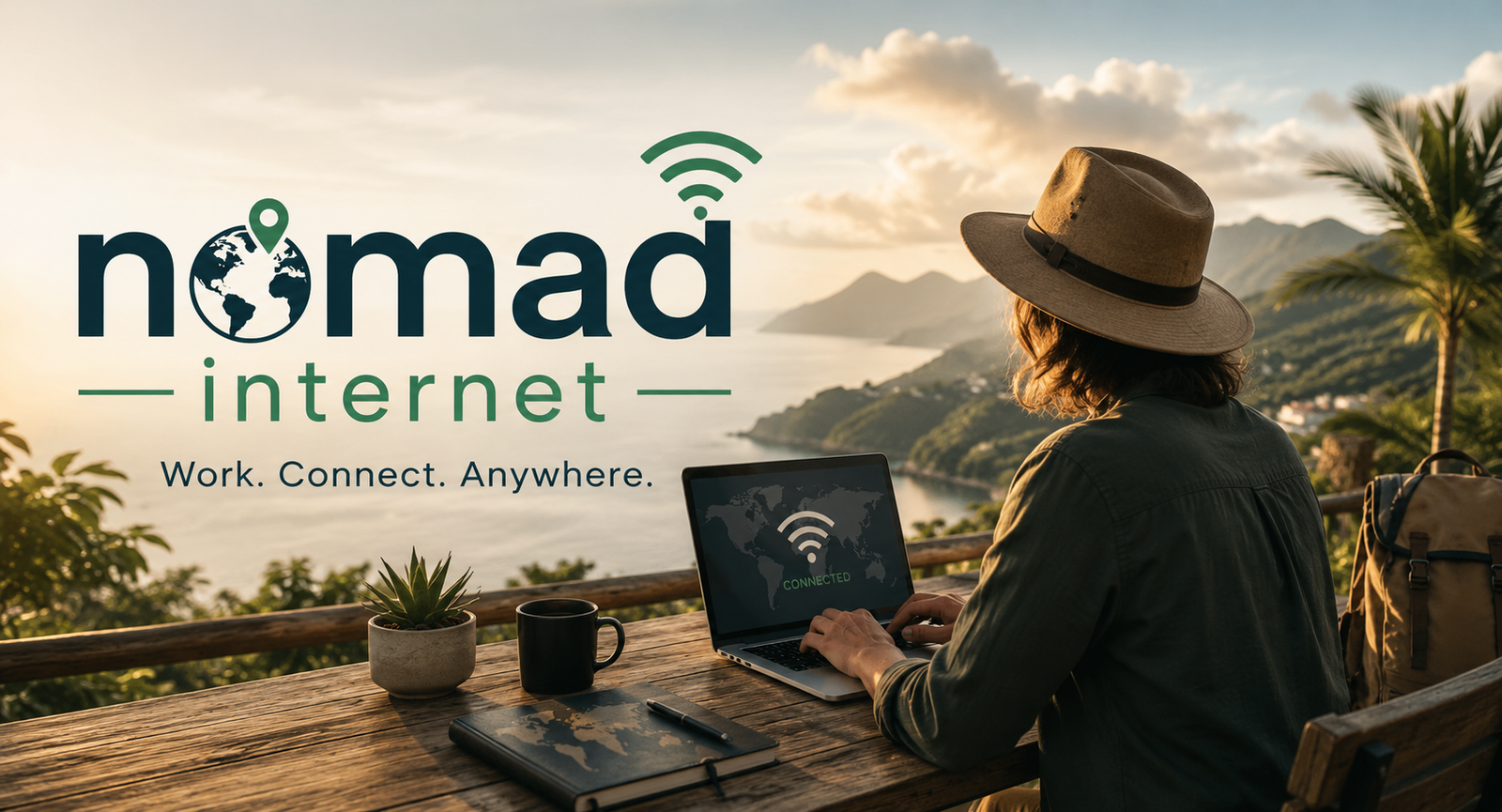
Unlike traditional internet providers that rely on fixed infrastructure, Nomad Internet is designed for people who don’t want to be tied to one location. It offers wireless internet solutions that allow users to stay connected while traveling or living in areas where standard broadband services may not be available. This flexibility has made it a popular option among digital nomads, campers, truck drivers, rural homeowners, and remote workers.
If you’ve been searching for an internet service that keeps up with your lifestyle instead of limiting it, understanding how Nomad Internet works can help you make an informed decision. In this article, we’ll explore its features, benefits, ideal users, advantages, limitations, and tips for getting the best experience.
What Is Nomad Internet?
Nomad Internet is a wireless internet service provider that focuses on delivering internet connectivity to people who need dependable service outside the reach of traditional cable or fiber providers. Instead of depending on wired connections, it uses cellular network technology to provide internet access through specialized routers and modems.
One of the biggest reasons people choose Nomad Internet is its flexibility. Traditional internet providers usually require installation appointments, fixed addresses, and long-term commitments. Nomad Internet removes many of those barriers by offering portable internet solutions that can travel with you wherever cellular coverage is available.
The service is especially valuable for individuals living in rural communities where high-speed internet options are limited. Rather than waiting for fiber expansion or relying on slow satellite connections, many users choose Nomad Internet as a practical alternative that delivers better speeds and greater convenience.
How Nomad Internet Works
The technology behind Nomad Internet is relatively straightforward. It uses cellular towers operated by major mobile networks to transmit internet data to a wireless modem or router. Once the device receives the signal, it creates a Wi-Fi network that multiple devices can connect to simultaneously.
After setting up the router, users can connect laptops, smartphones, smart TVs, gaming consoles, security cameras, and other internet-enabled devices just as they would with a traditional home internet connection. The setup process is generally simple and doesn’t require professional installation.
Since the service depends on nearby cellular towers, internet performance varies based on network strength, tower congestion, weather conditions, and geographical location. Areas with strong cellular coverage generally provide faster and more stable internet speeds compared to locations with weaker signals.
Benefits of Choosing Nomad Internet
One of the most significant benefits of Nomad Internet is portability. Instead of being restricted to a single address, users can take their internet connection wherever they go. This makes it an excellent choice for RV travelers, van lifers, and individuals who frequently relocate for work.
Another major advantage is accessibility. Millions of people still live in regions where cable or fiber internet isn’t available. Nomad Internet helps bridge that gap by providing internet service through cellular technology, allowing rural households to enjoy better online experiences without waiting for infrastructure improvements.
Convenience also plays a major role in its popularity. Users don’t have to worry about digging trenches for cables or scheduling technician visits. In many cases, setting up the equipment simply involves powering on the router and connecting devices, making it a hassle-free experience for customers.
Who Should Use Nomad Internet?
Remote workers are among the biggest beneficiaries of Nomad Internet. As companies continue embracing flexible work arrangements, employees need dependable internet that supports video conferencing, cloud-based applications, and file sharing from virtually any location.
Digital nomads also find tremendous value in portable internet solutions. Whether they’re working from a mountain cabin, beachside campsite, or countryside Airbnb, reliable internet allows them to maintain productivity without depending entirely on public Wi-Fi networks.
Beyond travelers, Nomad Internet is also suitable for rural homeowners, truck drivers, construction crews, temporary job sites, vacation homes, emergency response teams, and outdoor enthusiasts. Anyone who requires internet in locations where traditional providers fall short may find it to be a practical solution.
Advantages Compared to Traditional Internet Providers
Traditional internet services often require lengthy installation processes, contracts, and physical infrastructure. Nomad Internet eliminates many of these requirements by offering a wireless alternative that is ready to use with minimal setup.
Another advantage is mobility. If you move frequently, changing traditional internet providers can become frustrating and time-consuming. With Nomad Internet, relocating is generally much easier because your connection travels with your equipment instead of remaining fixed at one address.
Flexibility is another reason many users appreciate the service. Instead of planning life around internet availability, users can often choose locations based on lifestyle preferences while maintaining internet access through cellular coverage.
Things to Consider Before Choosing Nomad Internet
Although Nomad Internet offers numerous advantages, it’s important to understand that performance depends heavily on cellular signal quality. Before subscribing, users should check network coverage in the areas where they plan to use the service most frequently.
Network congestion can also influence internet speeds. During peak usage hours, heavily populated areas may experience slower performance because many users are sharing the same cellular infrastructure. This is common among most wireless internet providers.
Equipment placement matters as well. Positioning the router near windows or elevated locations often improves signal strength and overall performance. In some cases, external antennas or signal boosters may help users achieve stronger and more consistent connections.
Tips for Getting the Best Experience with Nomad Internet
Choosing the right location for your router is one of the easiest ways to improve internet performance. Avoid placing it behind thick walls or inside enclosed cabinets, as obstacles can weaken wireless signals.
Keeping your equipment updated is equally important. Firmware updates often include security improvements, performance enhancements, and bug fixes that help maintain a reliable internet connection over time.
Finally, monitor your internet usage habits. While many online activities like browsing, emailing, and video conferencing require moderate bandwidth, multiple simultaneous 4K video streams or large downloads can place greater demands on any wireless network. Managing connected devices wisely can contribute to a smoother overall experience.
Common Questions About Nomad Internet
Many people wonder whether Nomad Internet can replace traditional home internet. For many users, especially those in rural areas or constantly on the move, the answer is yes. Its wireless technology provides enough speed for everyday online tasks, entertainment, and remote work when adequate cellular coverage exists.
Another common question involves gaming and streaming. While many users successfully enjoy these activities, performance depends on signal quality, network congestion, and latency. Strong cellular coverage generally produces better experiences for bandwidth-intensive applications.
People also ask whether setup is difficult. Fortunately, most users find the installation process straightforward. Since professional installation usually isn’t required, many customers can begin using their service within minutes after receiving and powering on their equipment.
Conclusion
As modern lifestyles become increasingly flexible, internet services must evolve to meet changing needs. Nomad Internet represents a practical solution for people who value mobility, convenience, and reliable connectivity without depending entirely on traditional wired infrastructure. Whether you’re living in an RV, working remotely, managing a rural household, or simply looking for an alternative internet option, this service offers the freedom to stay connected in more places.
While no internet solution is perfect for every situation, Nomad Internet continues to attract users because of its portability, ease of setup, and ability to reach locations where conventional broadband providers may not operate. Understanding your coverage area, internet needs, and expected performance will help you determine whether it’s the right choice for your lifestyle.
Ultimately, reliable internet should support your goals rather than limit them. If flexibility and mobility are high on your priority list, Nomad Internet is worth considering as a dependable wireless internet solution that keeps you connected wherever life takes you.
You May Also Read: Gimkit Dashboard


